Gluten Free Breakfast Muffins: Honey and Blueberry Cakes
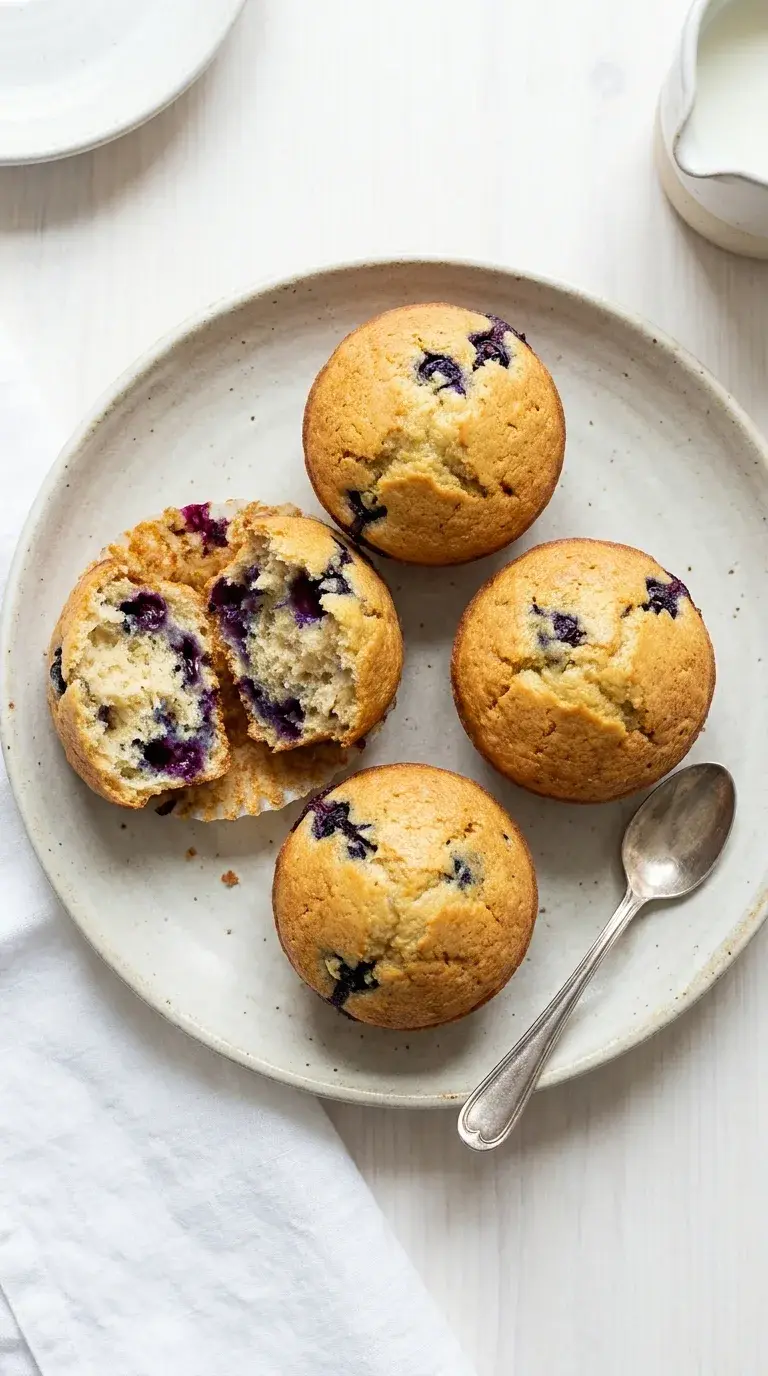
Select a high-quality all-purpose blend to ensure your gluten free breakfast muffins maintain a steady structure. You must include xanthan gum to replace the elasticity of wheat, which prevents the cakes from becoming too brittle. Use a silicone muffin tin to ensure the batter releases cleanly without sticking to the sides. Preheat your oven to 180°C (356°F) before you begin mixing to ensure an immediate rise.
These American-style muffins combine fresh blueberries and honey for a balanced sweetness. The result is a fluffy texture with a golden brown colour. You will find the batter remains slightly lumpy before baking, which ensures the centres stay moist. Allow the muffins to rest in the tin for 5 minutes after baking to let the structure set before moving them to a wire rack to cool completely.
Gluten Free Breakfast Muffins: Honey and Blueberry Cakes
Recipe cardIngredients
Watch how it's made
Instructions
-
Prepare the oven
Preheat your oven to 180°C (356°F). Line a 12‑cup silicone muffin tin with liners so the batter does not stick to the sides.
-
Mix dry ingredients
Whisk the flour, baking soda, salt, xanthan gum and cinnamon in a large bowl. Ensure these are well combined to avoid clumps of baking soda in the finished muffins.
-
Combine wet ingredients
Beat the eggs, almond milk, melted butter, honey and vanilla extract in a separate bowl. Stir until the mixture is smooth for a consistent texture.
-
Create the batter
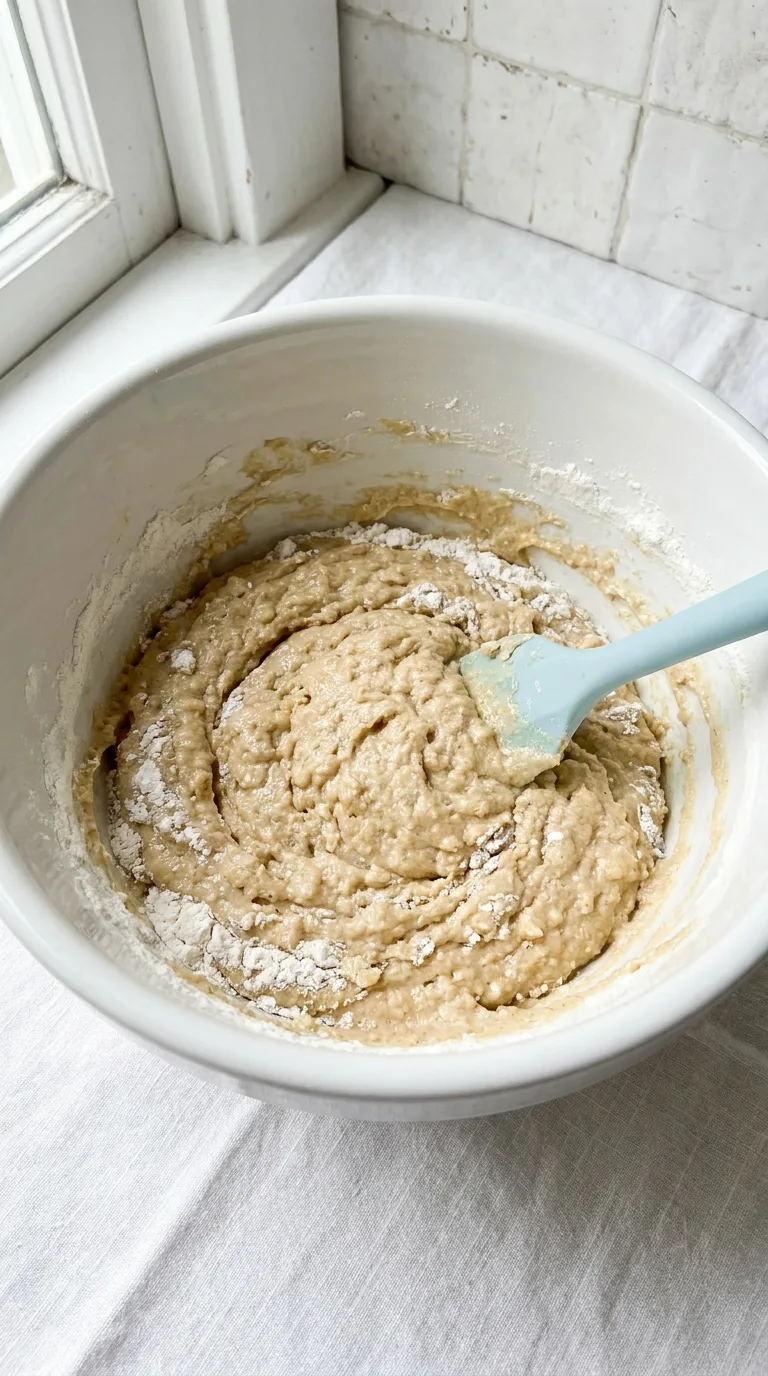
Pour the wet ingredients into the dry mixture and stir with a spatula. Stop as soon as they are just combined; a lumpy batter prevents the muffins from becoming tough.
-
Fold in fruit
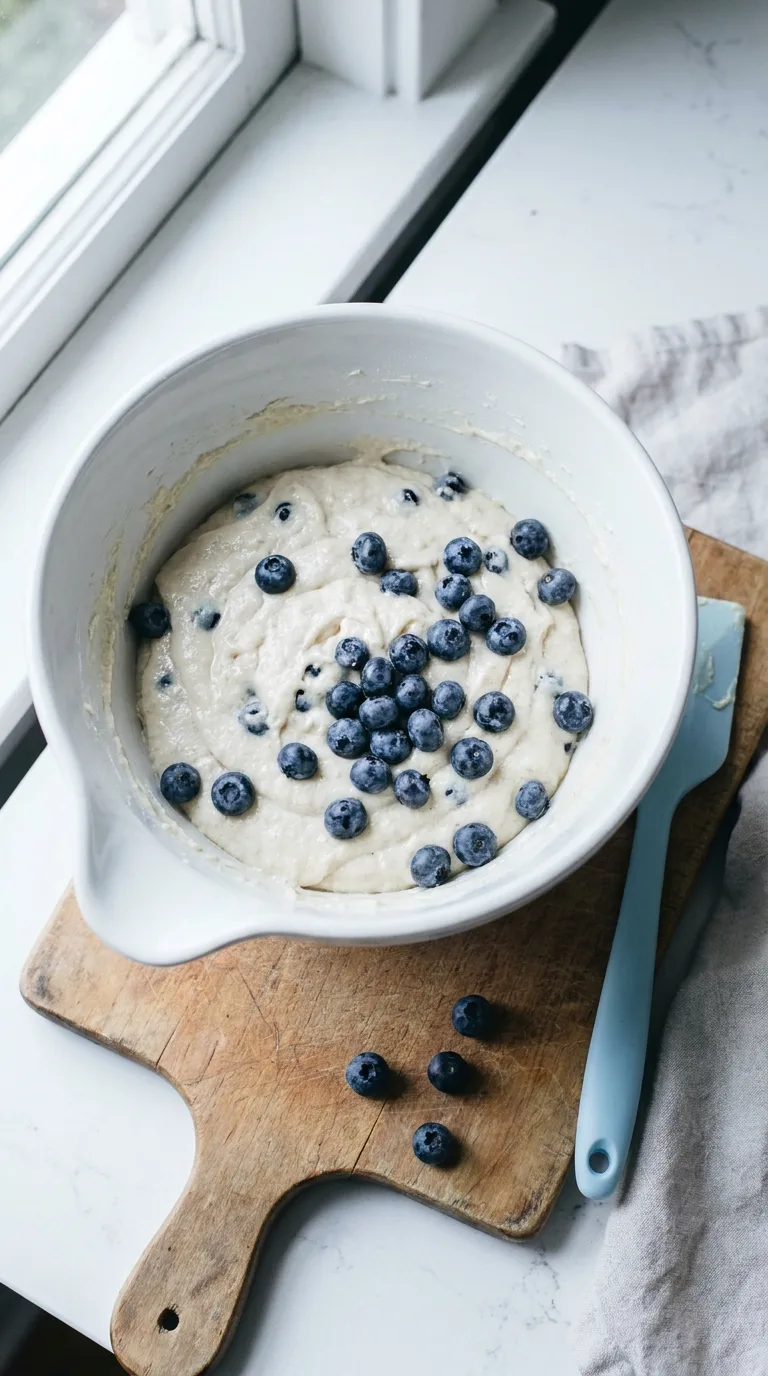
Gently fold in the blueberries. Use a light touch so you do not break the skins, which would bleed colour into the batter.
-
Fill the tin
Divide the batter evenly among the 12 muffin cups. Fill each about three‑quarters full to leave room for the muffins to rise without overflowing.
-
Bake the muffins
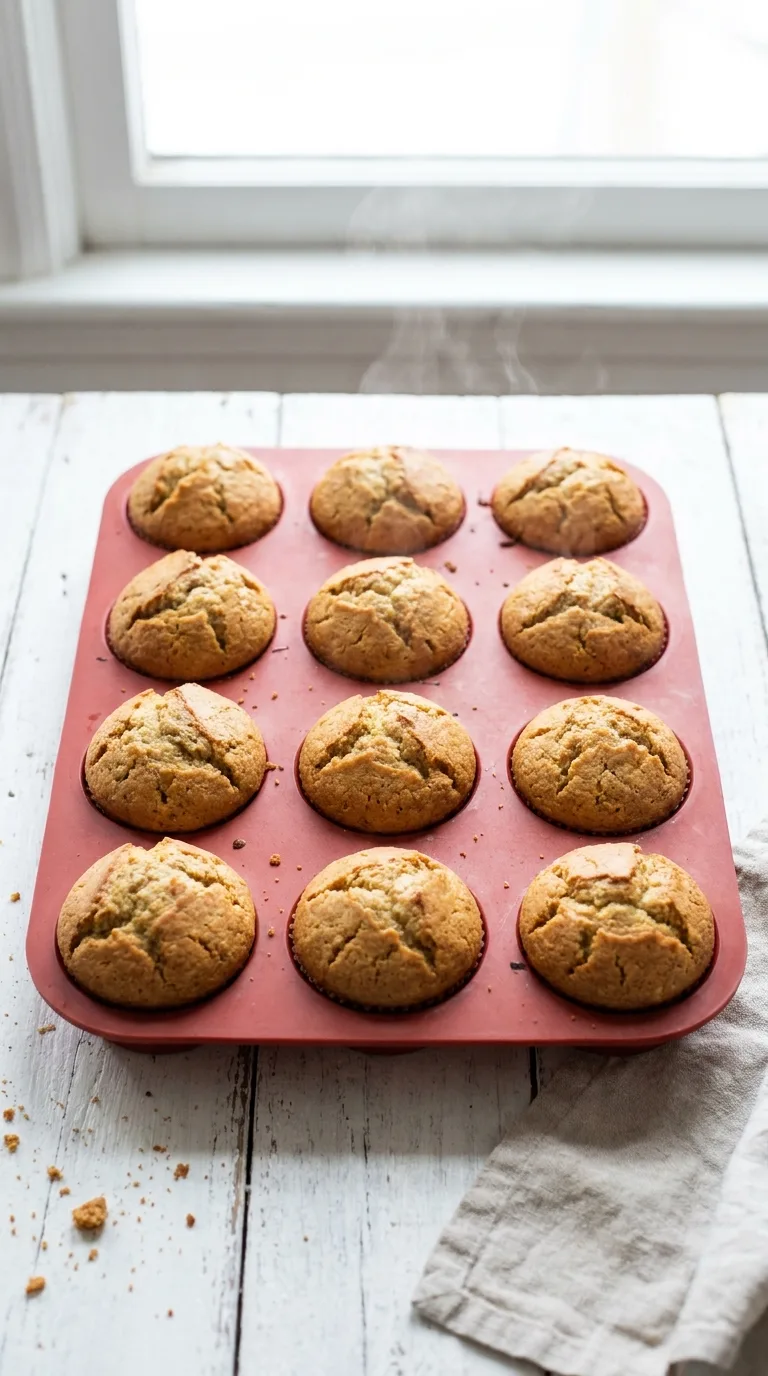
Bake for 20 to 22 minutes. The tops should be golden brown and a toothpick inserted in the centre must come out clean to ensure they are cooked through.
-
Cool and set
Allow the muffins to rest in the tin for 5 minutes. This lets the structure set before you transfer them to a wire rack to cool completely.
Keep your blueberries dry before folding them into the batter. If the berries are damp, the excess moisture will create wet pockets in the crumb, which makes the muffins soggy rather than fluffy.
What to serve with it
Drizzle the muffins with plain Greek yoghurt and a sprinkle of cinnamon for a creamy finish. You can also spread a teaspoon of almond butter on each muffin to add more protein. For a sweeter option, dust the tops with icing sugar or a light drizzle of honey before serving.
Storing and reheating
Store the muffins in an airtight container at room temperature for up to 3 days. For longer storage, freeze individual muffins in a freezer bag for up to 2 months. Thaw them at room temperature for 15 minutes before serving to restore the texture and flavour.
Nutrition per serving
- Calories
- 210
- Protein
- 4.2 g
- Carbs
- 28.5 g
- Fat
- 7.8 g
- Fiber
- 1.5 g
- Sugar
- 12.4 g
Estimated, and offered as a guide rather than a medical figure.
Made it? Rate it.
Questions people ask
What are the best gluten-free muffins to make?
Muffins using a gluten-free all-purpose flour blend and xanthan gum are best. These ingredients mimic the structure of wheat, ensuring the muffins remain fluffy and hold their shape without becoming too crumbly or dense.
What's a good gluten free breakfast item?
Blueberry muffins made with almond milk and honey are a good choice. They provide a sweet, wholesome start to the day and are quick to prepare for those who need a portable meal.
What are some healthy, gluten-free recipes for breakfast muffins?
Use fresh blueberries and honey instead of refined sugars. You can also replace the butter with coconut oil to make them vegan or add chopped walnuts for extra texture and healthy fats.
What is the trick to gluten free baking?
Use xanthan gum to provide the elasticity that gluten usually offers. Additionally, stir the batter until just combined; overmixing gluten-free flour can sometimes lead to a gummy texture in the finished bake.