Chicken Cutlets: Crispy Chicken with Lemon Garlic Butter
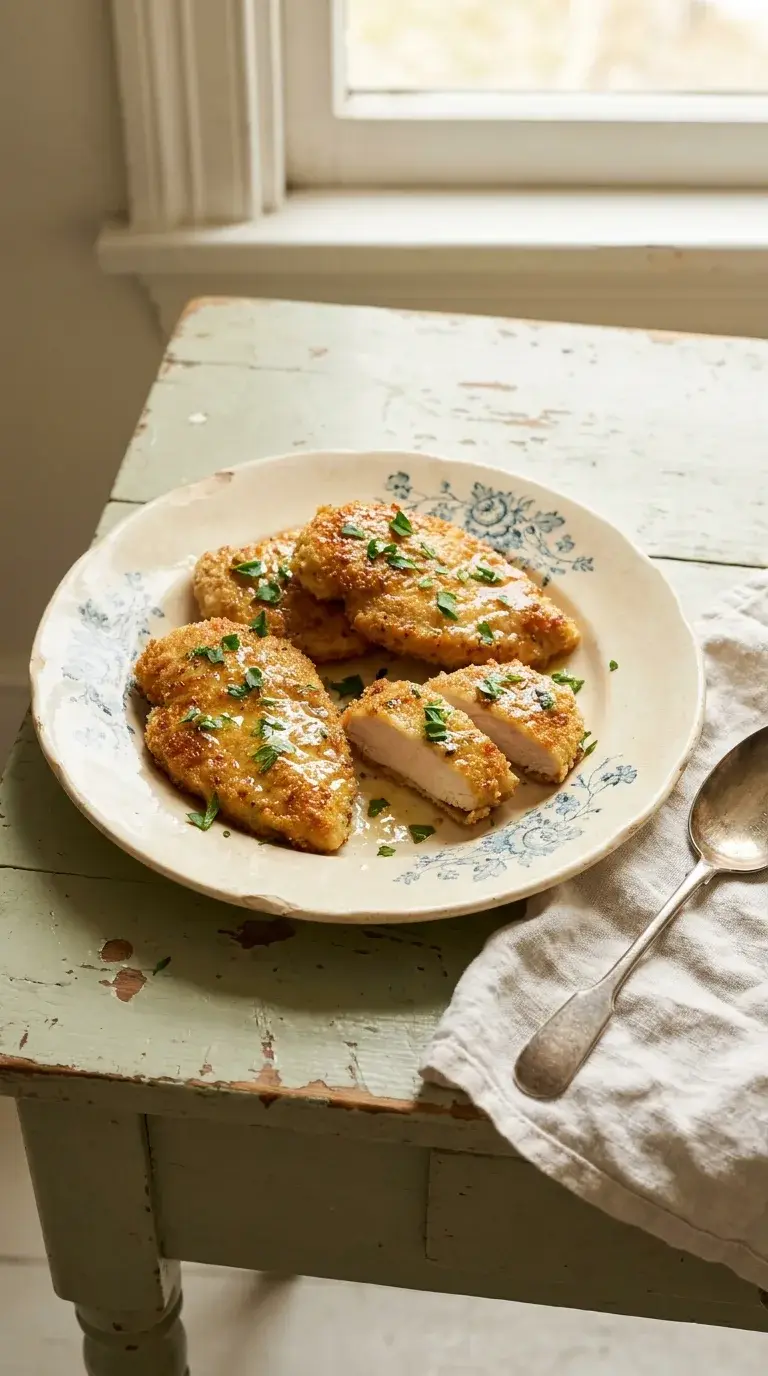
These crispy chicken cutlets with lemon garlic butter rely on a precise breading sequence to hold their crunch. You must dredge the meat in flour first to create a dry surface, then dip in egg to bond the panko and Parmesan. Use a skillet heated to shimmering olive oil to ensure the coating does not stick. This heat creates the golden crust required to support the weight of the lemon and chicken stock glaze.
Chicken Cutlets: Crispy Chicken with Lemon Garlic Butter
Recipe cardIngredients
Watch how it's made
Instructions
-
Prepare the chicken
Slice each chicken breast horizontally to about 10 mm thickness. Pat the meat dry with paper towels. Removing surface moisture ensures the breading sticks firmly to the chicken.
-
Set up breading
Season the flour with salt and pepper in a shallow dish. Place the beaten egg in a second dish and the mixed breadcrumbs with Parmesan in a third. This sequence prevents cross-contamination between stations.
-
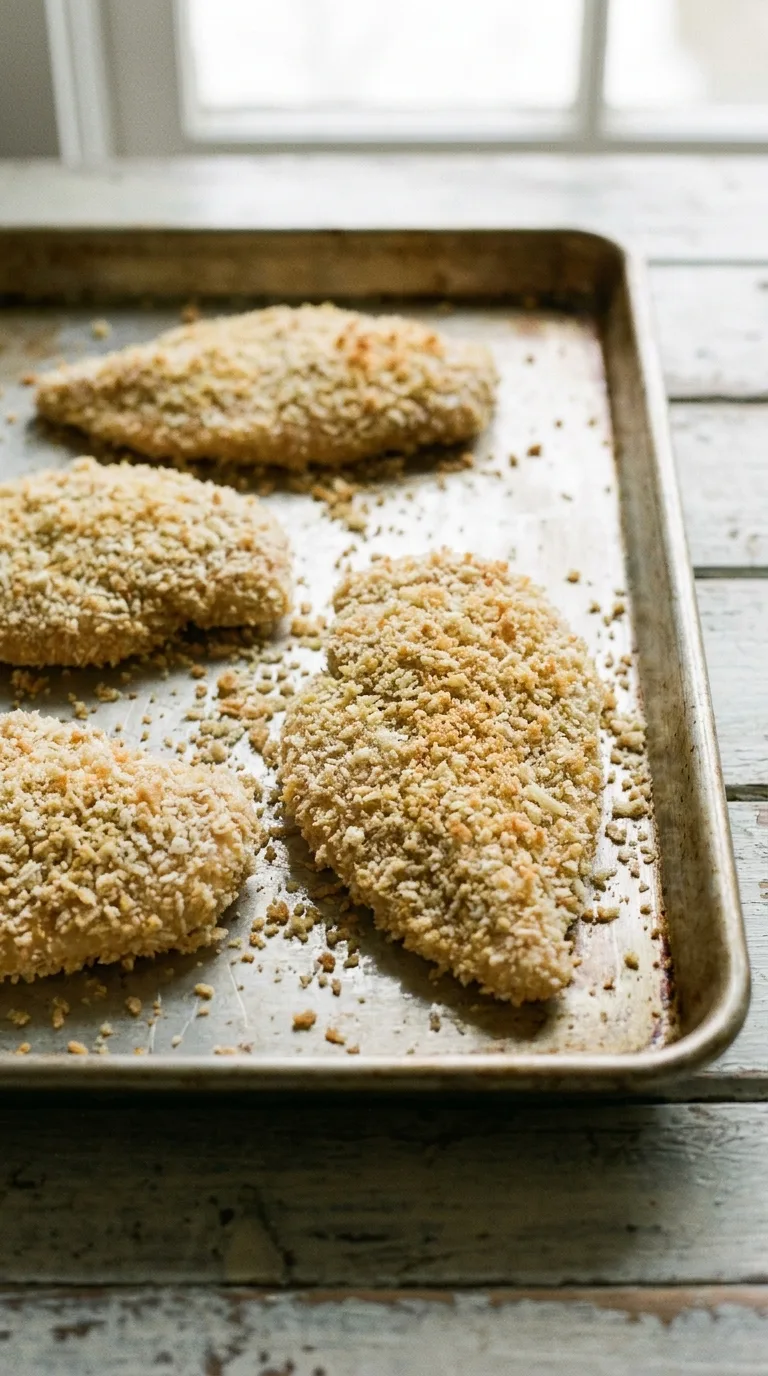
Coat the cutlets
Dredge each cutlet in flour and shake off the excess. Dip the meat in egg, then press it into the breadcrumb mixture. This layered coating creates the necessary barrier for a golden crust.
-
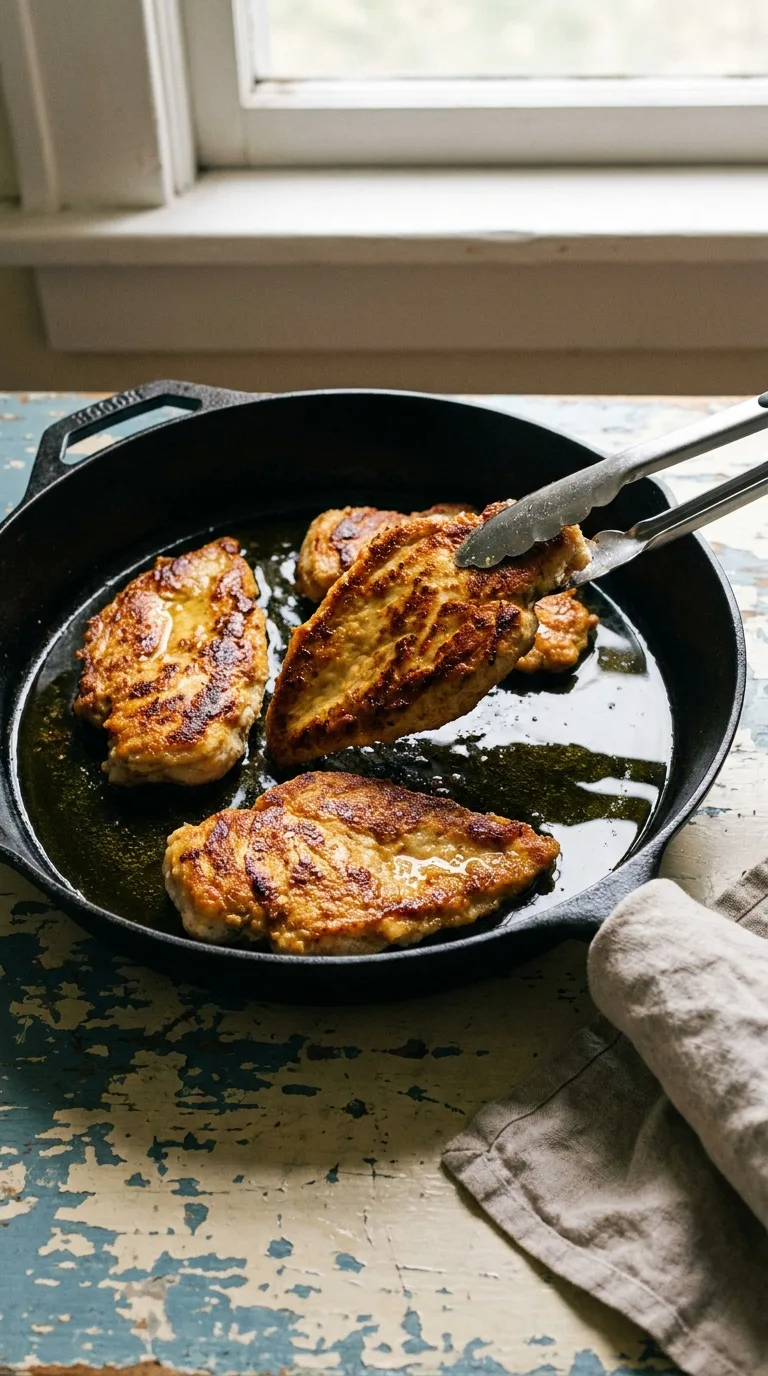
Fry the chicken
Heat olive oil over medium-high heat until it shimmers. Fry the cutlets for 4–5 min per side until golden brown. Use a thermometer to ensure the centre reaches 74°C (165°F).
-
Sauté the aromatics
Reduce the heat to medium and add the butter, garlic and lemon zest. Stir until the garlic turns a light golden hue. This process takes about 30 s and prevents the garlic from burning.
-
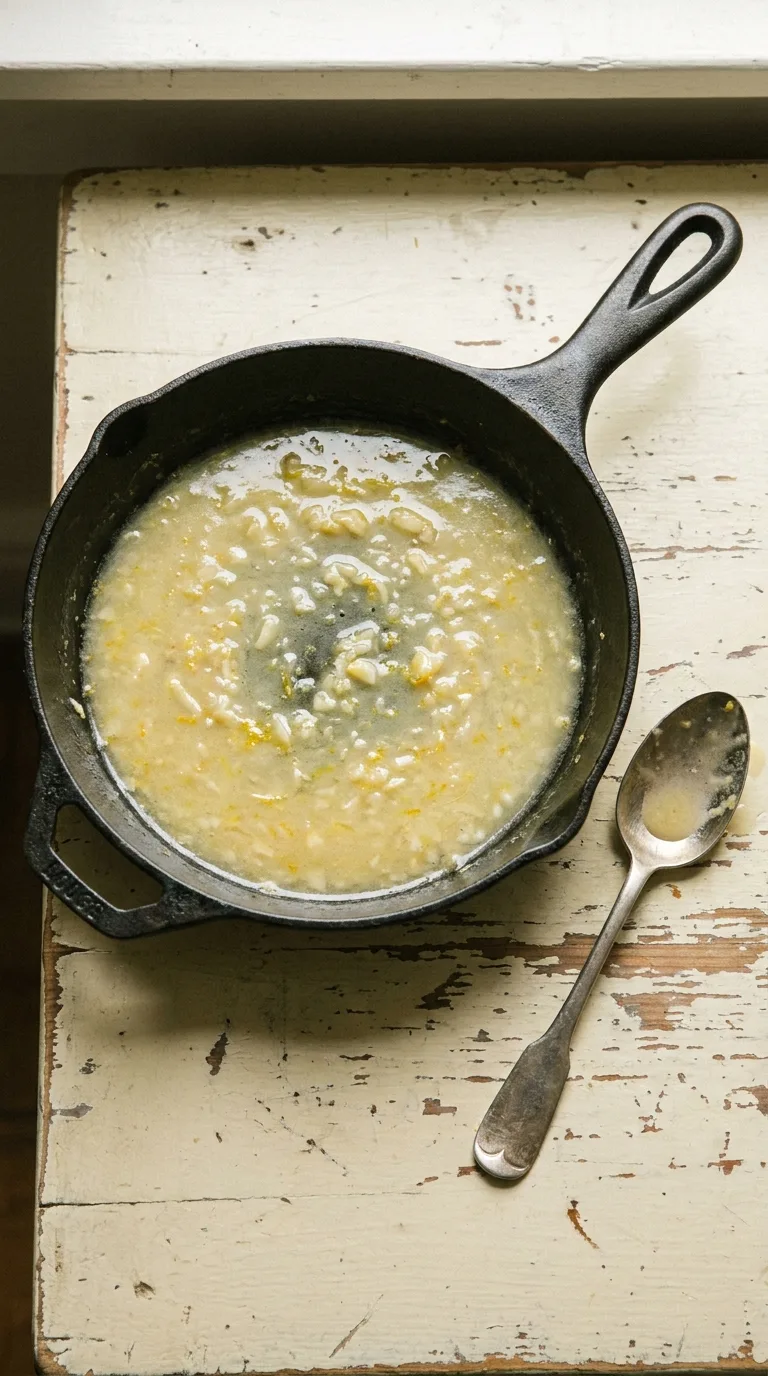
Reduce the sauce
Pour in the chicken stock and lemon juice. Bring the liquid to a gentle simmer for 2–3 min. This allows the sauce to thicken into a glaze-like consistency that clings to the meat.
-
Finish and glaze
Return the cutlets to the pan and spoon the sauce over them. Cook for one additional minute to bond the flavours. Transfer to a plate and garnish with chopped parsley.
-
Rest the meat
Let the cutlets rest for one minute before serving. This brief pause allows the internal juices to redistribute through the meat. It ensures the chicken remains moist.
Ensure your oil is shimmering before adding the meat. If the pan is too cool, the breadcrumbs will absorb the oil instead of searing, resulting in a soggy coating. If your coating feels soft before frying, pat the chicken dry again to improve adhesion.
Getting the texture right
Pat your chicken dry before breading to ensure the coating adheres firmly. Use a skillet heated to a shimmering point to create a crisp exterior. If the coating feels soft, dry the meat again. Broil the finished cutlets for 1 to 2 minutes to increase the crunch before serving.
What to serve with it
Pair these cutlets with steamed green beans and roasted red potatoes for a balanced meal. You can also serve them over a bed of herbed couscous or rice pilaf. Finish the platter with extra lemon wedges and chopped parsley to provide a fresh contrast to the butter sauce.
Storing and reheating
Keep cooked cutlets in the fridge for 2 to 4 days. For longer storage, wrap them tightly in foil and freeze for up to 2 months. Reheat in a preheated oven at 175°C (350°F) until warmed through. Do not leave meat at room temperature for over 2 hours.
Choosing the cut
Slice boneless chicken breasts horizontally to a thickness of 10 mm. This uniform size ensures the meat cooks through to 74°C (165°F) at the same time the breadcrumbs turn golden brown. Consistent thickness prevents the edges from burning while the centre remains undercooked or raw.
Nutrition per serving
- Calories
- 410
- Protein
- 32.5 g
- Carbs
- 24.0 g
- Fat
- 18.2 g
- Fiber
- 1.5 g
- Sugar
- 2.1 g
Estimated, and offered as a guide rather than a medical figure.
Made it? Rate it.
Questions people ask
What is the secret to crispy chicken cutlets?
Maintain a hot pan with shimmering oil to sear the breadcrumbs immediately. This prevents the coating from absorbing excess fat and ensures a crisp exterior that does not stick to the skillet surface during the frying process.
Do you dip cutlets in egg or flour first?
Dredge in flour first to create a dry surface. The flour allows the beaten egg to cling to the meat, which then provides a sticky base for the breadcrumbs and Parmesan to bond securely to the chicken.
What is the trick to getting crispy chicken?
Pat the chicken breasts dry with paper towels before starting. Removing surface moisture prevents the breading from steaming and peeling away from the meat, resulting in a tighter and crunchier crust after frying.