Caprese Sandwich Sliders: Italian Mozzarella Rolls
Many cooks fail to dry their tomato slices when preparing caprese sandwich sliders. This mistake releases excess moisture during baking, which produces a soggy bottom roll. You want a sturdy base that supports the weight of the cheese and vegetable layers without collapsing.
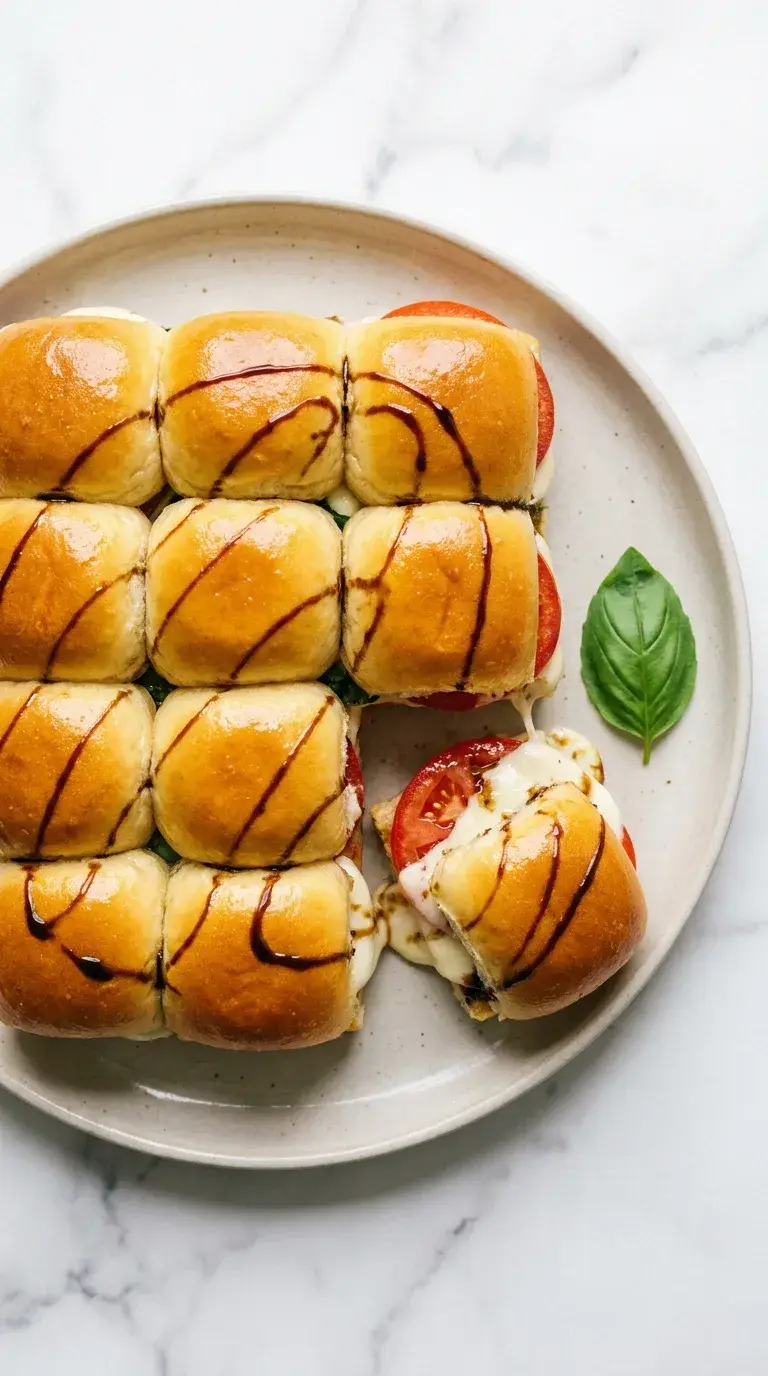
These sliders are small Italian rolls filled with 200 g fresh mozzarella, sliced tomatoes, and fresh basil leaves. When made correctly, the bread is lightly golden and the cheese is melted. A drizzle of balsamic glaze adds a sharp acidity to the savoury profile of the buttered tops.
Pat the tomato slices dry with a paper towel before layering. This simple action prevents the bread from absorbing water. Use aluminium foil to cover the tray for the first 10 minutes at 175°C (350°F) to melt the cheese without burning the rolls. Allow them to rest for 5 minutes to firm up before serving.
Caprese Sandwich Sliders: Italian Mozzarella Rolls
Recipe cardIngredients
Watch how it's made
Instructions
-
Prepare the oven
Preheat your oven to 175°C (350°F). This ensures the sliders cook evenly from the start. Use a sharp knife to slice the rolls horizontally into 12 bottom halves and 12 top halves.
-
Warm the butter
Melt the butter in a small saucepan. Keep it warm in a bowl. Warm butter spreads more easily across the rolls without tearing the soft bread.
-
Assemble the sliders
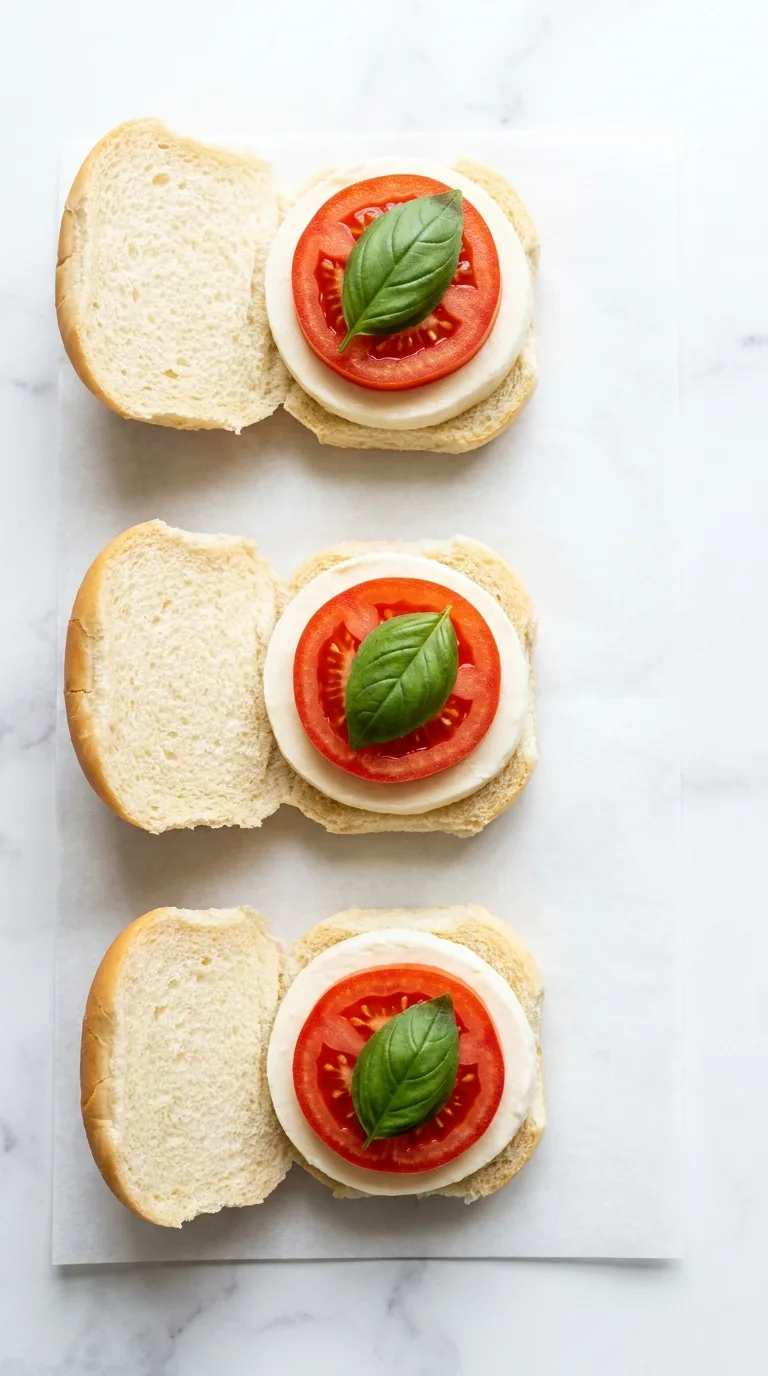
Lay the bottom halves on a parchment-lined baking tray. Place one slice of mozzarella, one slice of tomato, and one basil leaf on each. Cap them with the top halves.
-
Season the tops
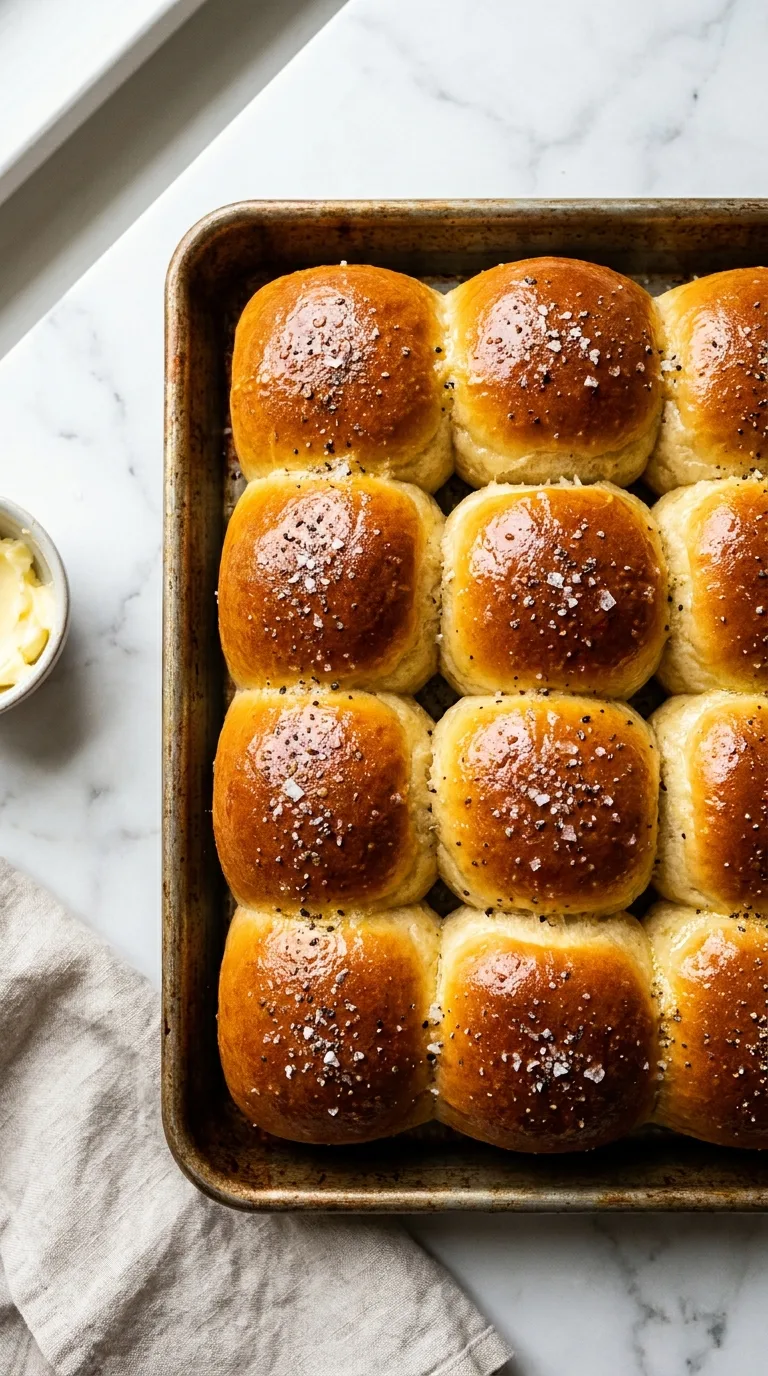
Brush the tops of the sliders with the warm melted butter. Sprinkle sea salt and black pepper over the butter. The salt enhances the flavour of the bread as it toasts.
-
Bake the rolls
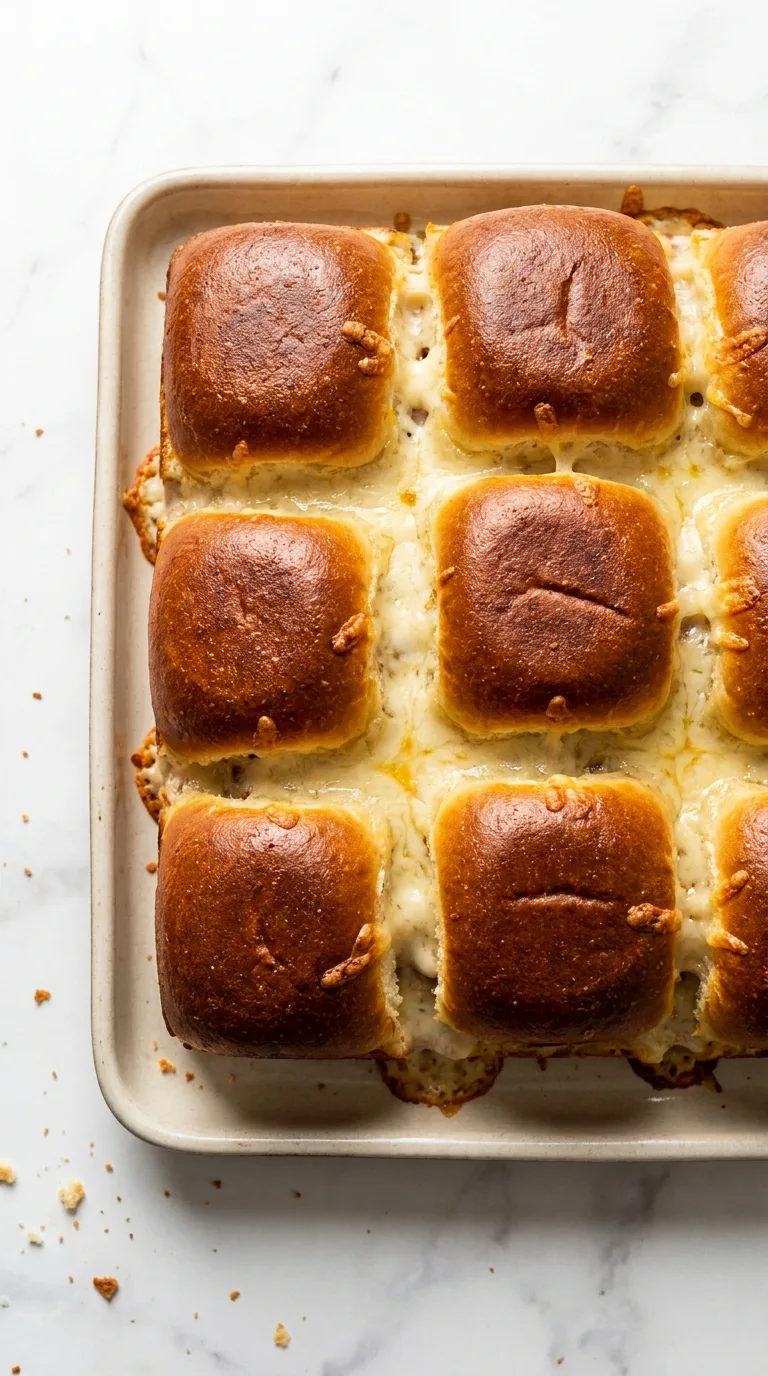
Cover the tray loosely with aluminium foil and bake at 175°C (350°F). Remove the foil after 10 minutes and bake for another 5 minutes. This protects the tops from burning while the cheese melts.
-
Rest and glaze
Transfer the tray to a heat-resistant surface. Let the sliders rest for 5 minutes so the fillings firm up. Drizzle the optional balsamic glaze over them just before serving for acidity.
Pat the tomato slices dry with a paper towel before layering. Excess moisture from the tomatoes will seep into the bread during baking. You will know this is happening if the bottom rolls become soggy or collapse under the weight of the cheese.
What goes wrong and why
Soggy buns occur when tomato juices seep into the bread. Pat each slice dry with a paper towel before layering to minimise moisture. Check the bottom rolls before baking; if they appear damp, you have not dried the tomatoes sufficiently to maintain a crisp structure.
What to serve with it
Place these sliders on a platter with fresh orange or citrus wedges for a bright contrast. Pair them with a chilled glass of sparkling water infused with lemon-lime juice. Garnish the presentation with whole basil leaves and grated Parmesan to add visual appeal and a salty finish.
Storing and reheating
Keep leftovers in an airtight container at room temperature for 3 days. For longer storage, freeze them in a single layer on parchment paper before transferring to a bag for 2 weeks. Reheat in the oven to ensure the mozzarella softens without the rolls becoming tough.
Nutrition per serving
- Calories
- 180
- Protein
- 6.2 g
- Carbs
- 14.5 g
- Fat
- 8.8 g
- Fiber
- 0.8 g
- Sugar
- 4.1 g
Estimated, and offered as a guide rather than a medical figure.
Made it? Rate it.
Questions people ask
What is typically on a caprese sandwich?
Fresh mozzarella, tomatoes, and basil leaves are the standard components. These three ingredients represent the colours of the Italian flag and provide a balance of creamy, acidic, and herbal flavours that define the classic Caprese profile.
What kind of dressing should I use on a caprese sandwich?
Use a balsamic glaze for a concentrated sweetness and acidity. The thick consistency prevents the bread from becoming too wet while adding a sharp contrast to the creamy mozzarella and fresh basil.
Can you make caprese sliders with balsamic glaze?
Yes. Drizzle the glaze over the warm sliders just before serving. This timing ensures the glaze stays glossy and does not soak into the rolls during the baking process at 175°C (350°F).